When you head to a new job site, what’s the most important tool you have? Is it your moisture meter? Your air mover? Your gloves?
While those are all essential, your most powerful tool is actually your phone. The camera on your phone, to be specific.
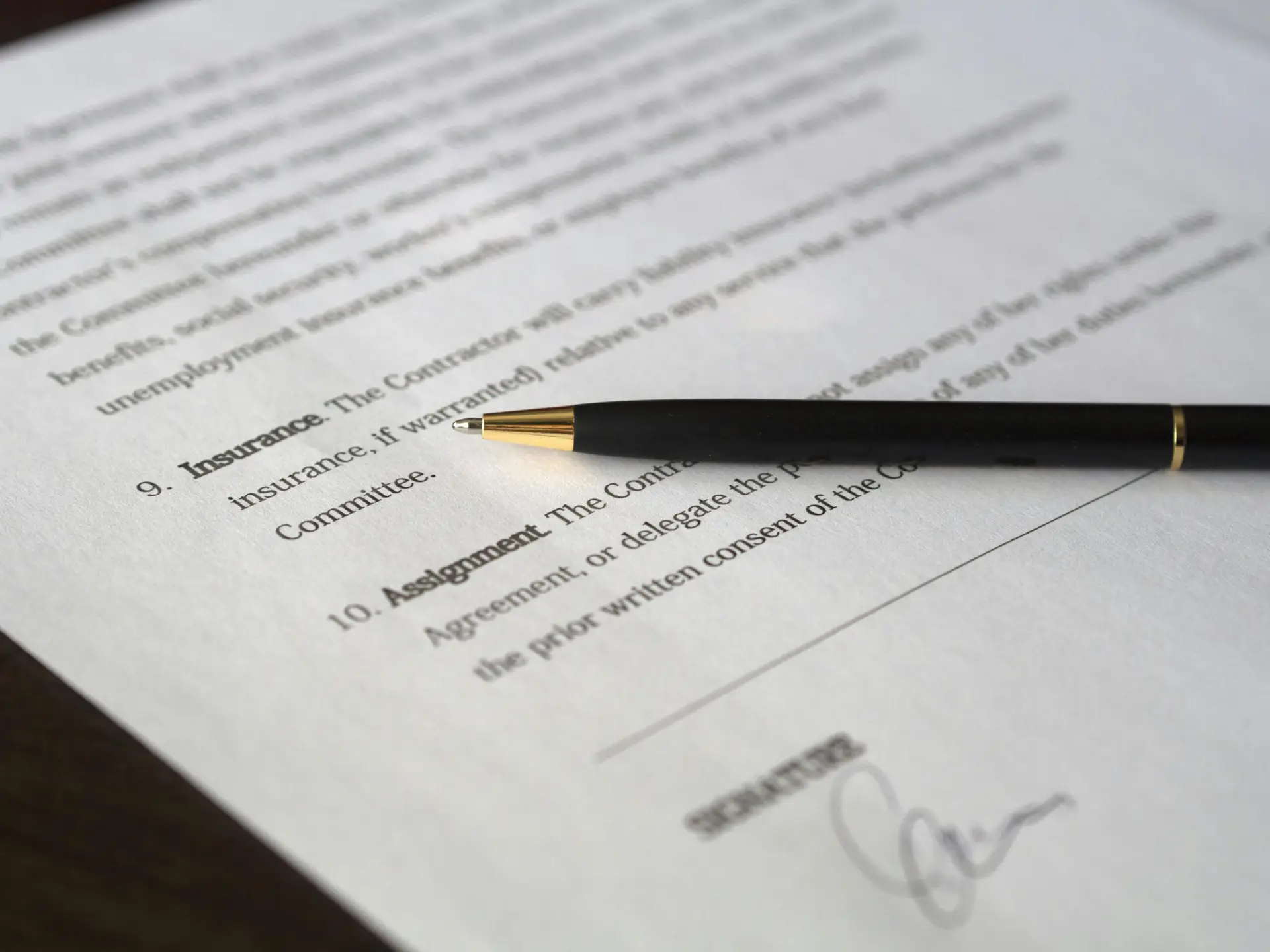
Why? Because great documentation is the difference between getting paid and getting a headache. You’re not just restoring property; you’re building a legal record. Every photo, every video, and every note proves the extent of the damage and justifies your estimate.
The “Why” Behind the “What”
You already know documentation is important, but let’s dive into why it’s not just a good habit but a critical business practice.
For the Insurance Adjuster
Adjusters manage a high volume of claims, and their time is valuable. When you provide them with a clear, well-organized file of photos, videos, and notes, you make their job easier. Your detailed documentation proves the necessity of the work and supports your estimate, leading to faster approvals and fewer questions. A streamlined process for them means a streamlined payment for you.
For the Homeowner
A property loss is often an emotional and confusing time for a homeowner. Your detailed documentation provides them with a clear, transparent record of the damage. It builds confidence in your professionalism and helps them understand why certain steps and costs are necessary. This transparency builds trust and can prevent disputes down the line.
For Your Business
In the unfortunate event of a legal dispute or a payment hold with your business, your documentation is your best defense. It’s the physical evidence that backs up your work and your billing. It provides the proof you need to fight for fair compensation, demonstrating the condition of the property before and after your intervention and justifying every line item on your invoice.
Making Documentation Work for You
So how do you make this a seamless part of your process?
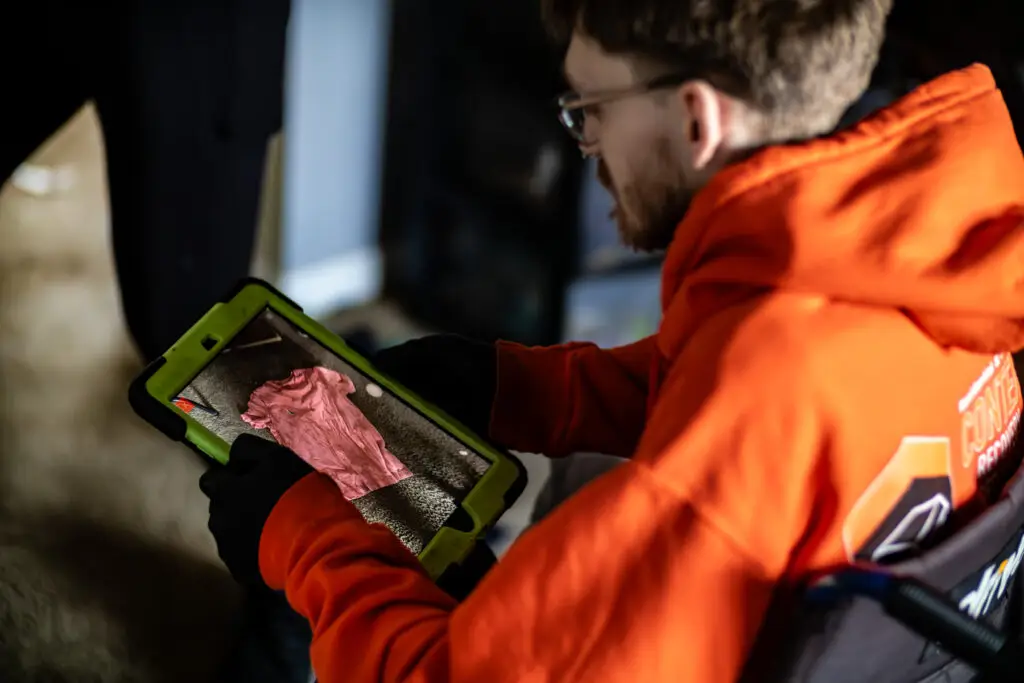
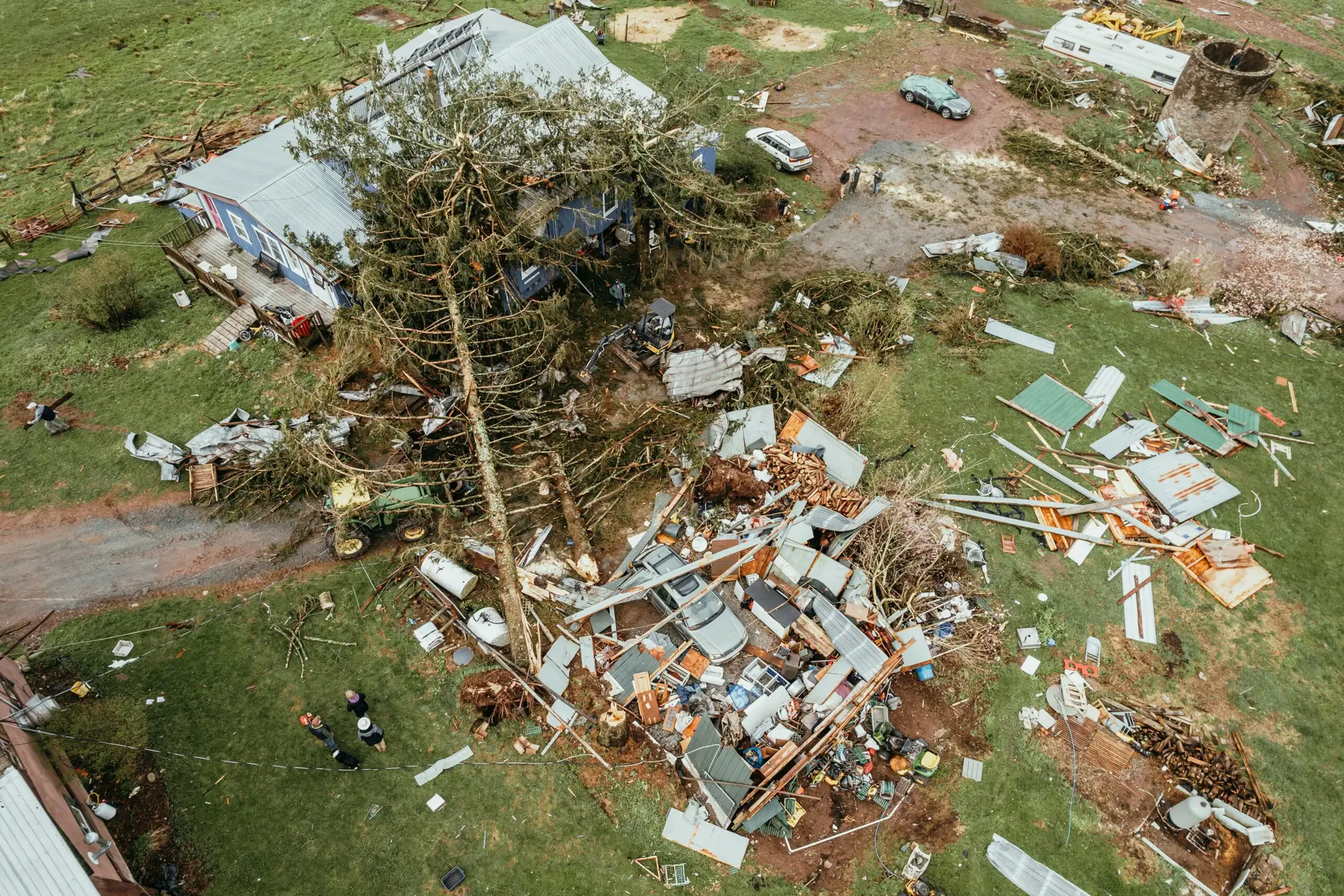
- Start Before You Start: The very first thing you do on-site should be to document the damage. Take photos and videos from multiple angles. Capture wide shots to show the overall scene and close-ups to detail specific damage.
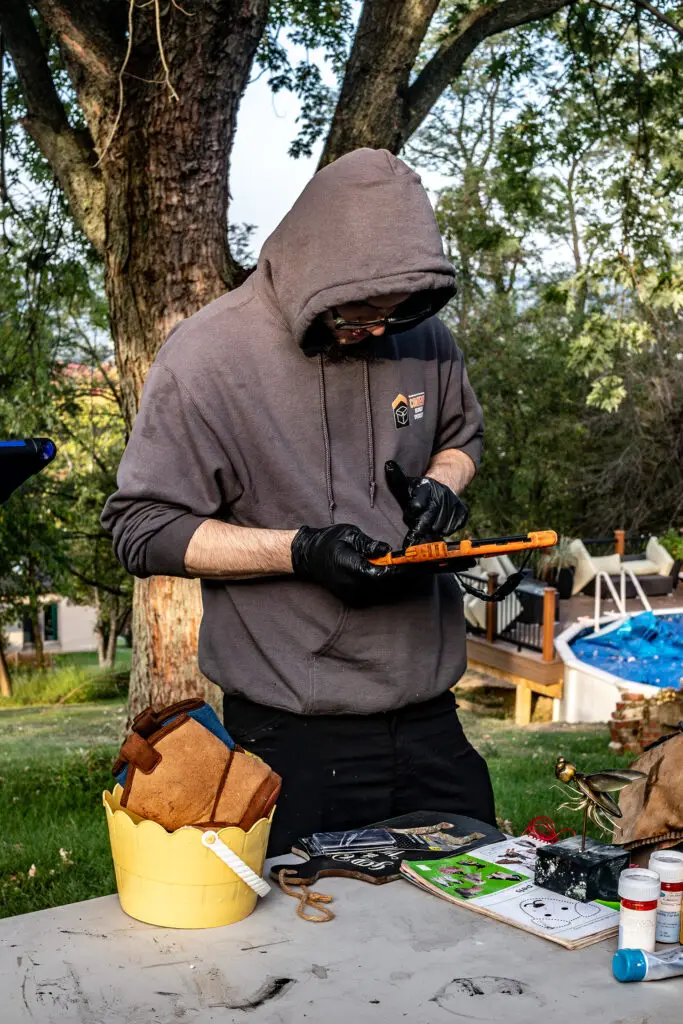
- Narrate Your Story: As you take photos and videos, add notes. Describe what you’re seeing, the cause of the damage, and the steps you plan to take. This narration adds context that a photo alone can’t provide.
- Use a System: Don’t just rely on your phone’s camera roll. Use a digital inventory system (like we do) or a cloud-based solution to organize and store your documentation. This ensures everything is in one place, easily accessible, and can be shared with adjusters and clients instantly.
Great documentation isn’t a chore; it’s the professional standard. It’s the proof that ensures you get paid fairly and quickly for every job.
Note: This blog post is not legal advice and is meant to serve as a resource for entertainment and educational use only.