In 2024, the United States faced a staggering 81 natural catastrophe (CAT) events, ranging from hurricanes and severe storms to wildfires and winter weather. As of January 2025, these disasters resulted in $217.7 billion in total economic losses, with $112.8 billion in insured property losses alone, according to data from Aon, a risk mitigation company, and the Insurance Information Institute (iii.org).
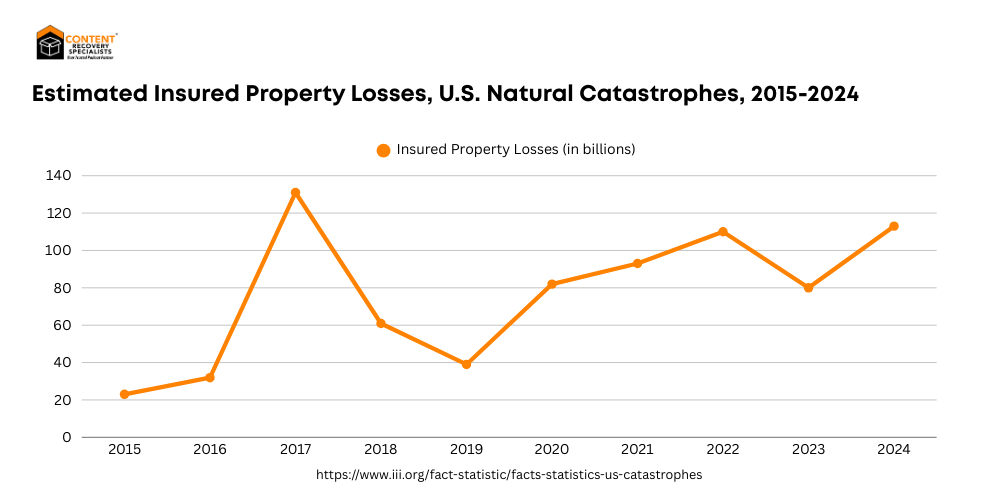
What’s striking is the consistency of this trend: over the past decade, insured property losses from natural catastrophes have surged, with 2024 marking the highest total since 2017. From tropical cyclones causing over $121 billion in damage to severe convective storms racking up nearly $69 billion, property remains the most vulnerable and costly asset in the face of nature’s fury.
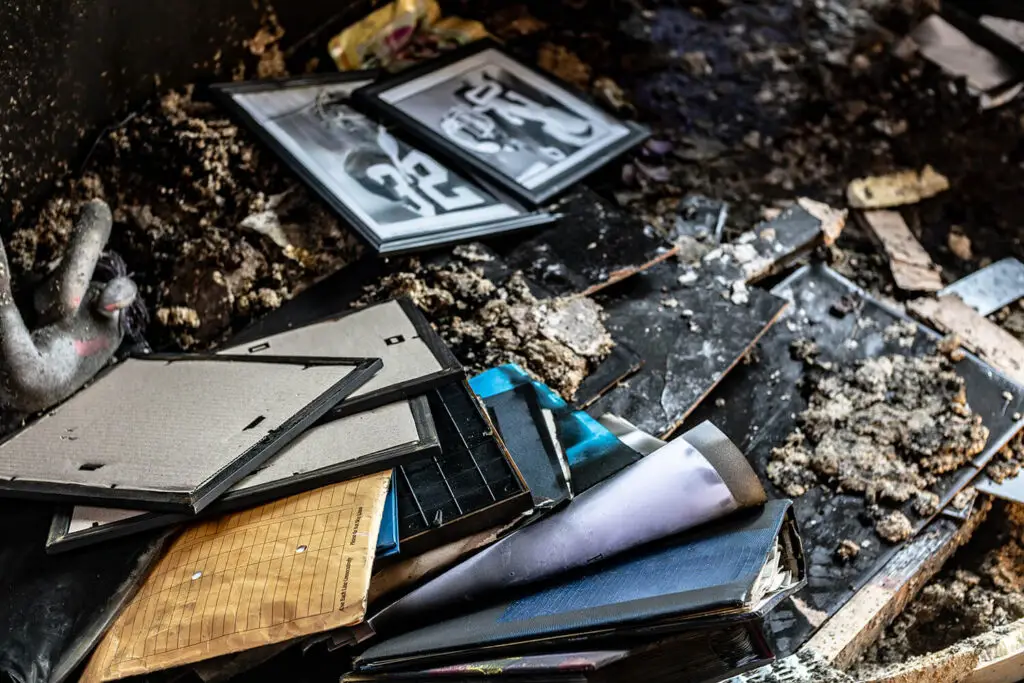
These figures underscore a critical reality for homeowners, insurers, and restoration contractors alike: property damage accounts for the majority of catastrophe-related losses, typically around 50% of total economic impact. These events not only destroy buildings but also wreak havoc on the contents within. Items like furniture, electronics, personal belongings, and irreplaceable items can be subjected to the damage caused by fire, water, smoke, soot, microbrial growth, etc.
As climate volatility increases, understanding the types of CAT events, when and where they typically occur, and how they affect property contents is essential for homeowners, insurers, and recovery professionals.
What is Considered a “CAT Event”?
Narrowing down what is a “disaster” vs. a “CAT event” can be difficult. In the same article with III.org, Aon defines a CAT event as a natural disaster that meets at least one of the following criteria:
- $25 million or more in insured property losses
- Ten or more fatalities
- Fifty or more injuries
- 2,000 or more filed claims or damaged structures
These criteria help insurers, governments, and analysts distinguish routine weather events from those that require large-scale mobilization of resources, special reporting, and financial reinsurance mechanisms.
Understanding this classification is essential for interpreting disaster data, allocating emergency funding, and evaluating trends in climate-related risk. It also helps consumers and businesses grasp the scale of events that may affect insurance premiums, coverage availability, and recovery timelines.
Types of Common CAT Events
| Disaster Type | Typical Months | Regions Affected | Damage Profile |
|---|---|---|---|
| Hurricanes and Tropical Storms | June to November (peak in August–September) | Gulf Coast, Southeastern U.S., Eastern Seaboard | Hurricanes bring high winds, torrential rain, and storm surges. Roofs are torn off, windows shattered, and floodwaters infiltrate homes. Contents like carpets, furniture, electronics, and documents are often soaked, leading to mold, warping, and total loss. |
| Floods | Spring and summer, but can occur year-round | Nationwide, especially near rivers, coasts, and urban areas with poor drainage | Floodwaters destroy drywall, flooring, and insulation. Contents stored in basements or ground floors—books, appliances, clothing—are submerged and contaminated. Even minor flooding can lead to mold and mildew, rendering some items unsalvageable. |
| Wildfires | Late summer to early fall | Western U.S. (California, Colorado, Arizona, Oregon) | Fires incinerate everything in their path. Even homes that escape direct flames suffer smoke and soot damage. Contents like textiles, electronics, and artwork absorb smoke odors and particulates, often requiring specialized cleaning or disposal. |
| Tornadoes | March to June | Midwest and Southeast (Tornado Alley and Dixie Alley) | Tornadoes can obliterate homes in seconds. Contents are scattered, crushed, or exposed to the elements. Water damage from rain following structural breaches adds to the destruction. |
| Earthquakes | Unpredictable; year-round | California, Alaska, Pacific Northwest | Earthquakes cause structural collapse and interior chaos. Fragile items like glassware, electronics, and collectibles are shattered. Gas leaks and fires may follow, compounding damage to contents. |
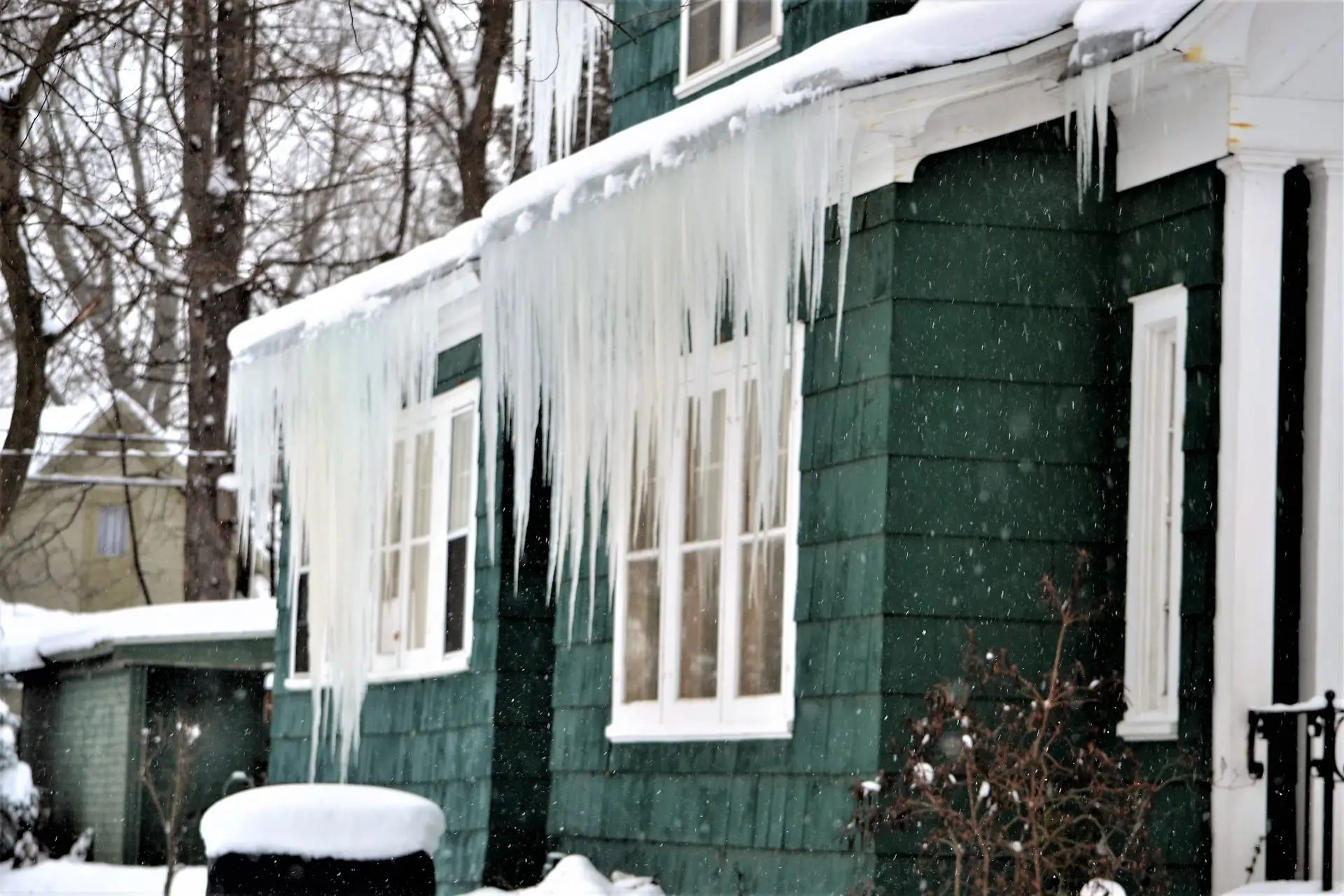
| Winter Storms | December to March | Northern and Eastern U.S. | Ice and snow can collapse roofs and freeze pipes. Water damage from burst pipes affects furniture, flooring, and stored items. Power outages may lead to spoilage of refrigerated goods and damage to electronics. |
Seasonal and Regional Trends
According to recent data:
- Hurricanes peak in late summer and affect coastal states like Florida, Texas, and Louisiana
- Wildfires are most common in dry states like California and Colorado during late summer
- Tornadoes are frequent in spring across the Midwest and Southeast
- Floods occur year-round but spike during spring rains and hurricane season
Understanding these patterns helps homeowners prepare and insurers assess risk more accurately.
How CAT Events Damage Property Contents
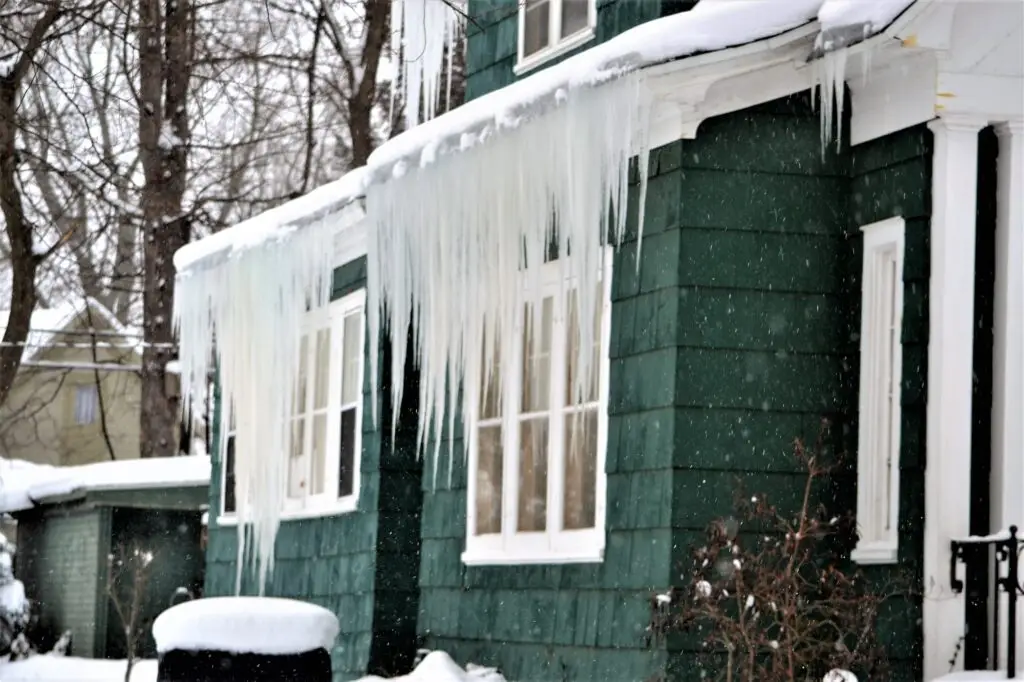
Temperature Extremes: Heat from wildfires can melt plastics, warp wood, and destroy electronics, while freezing temperatures from winter storms can burst pipes and damage textiles, appliances, and sensitive materials.
Water Damage: Floods and hurricanes soak carpets, furniture, and drywall. Electronics short-circuit, and paper documents disintegrate. Mold growth begins within 24–48 hours, making timely cleanup essential.
Smoke and Soot: Wildfires and house fires leave behind toxic residues that permeate porous materials like upholstery, clothing, and insulation. Even items untouched by flames may be rendered damaged due to lingering odors and contamination.
Impact Damage: Earthquakes and tornadoes can toss furniture, shatter glass, and collapse shelving. Items are often broken, crushed, or scattered beyond recovery.
Contamination: Floodwaters frequently carry sewage, industrial chemicals, and debris. This not only damages contents but also poses serious health risks, making restoration difficult for many items.
The Role of Content Recovery Specialists After A CAT Event
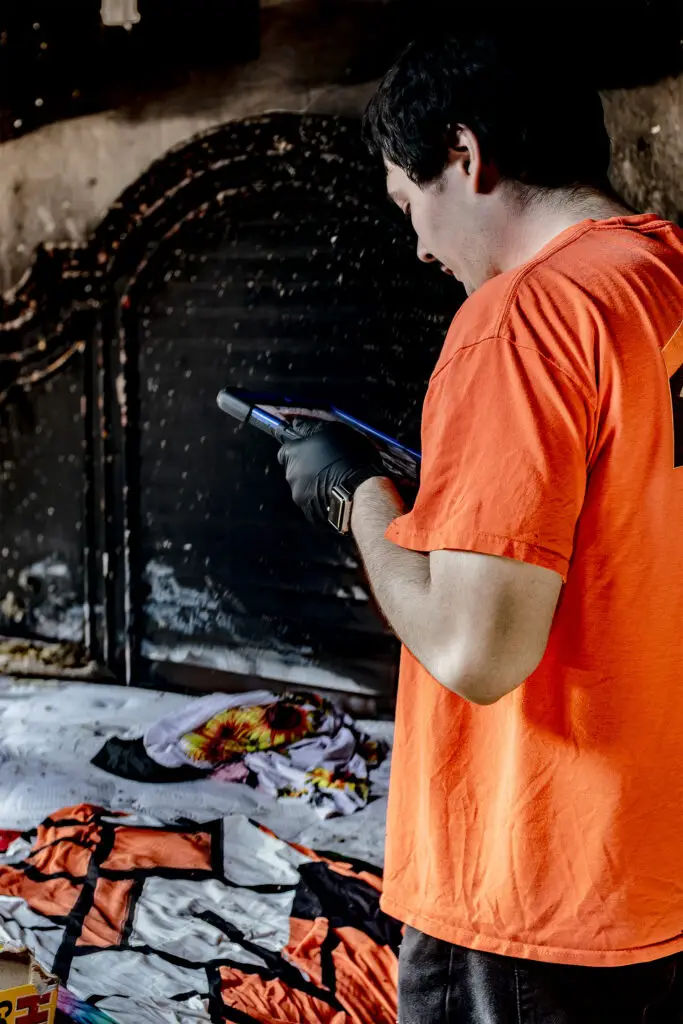
After a CAT event, restoring the physical structure of a property is only part of the recovery process. The contents within—clothing and textiles, important documents, kitchenware and appliances, photo and artwork, and other personal items—often suffer extensive damage and require specialized attention. This is where Content Recovery Specialists come in. These professionals are trained to assess, salvage, and restore the items inside a property that have been affected by disasters such as floods, fires, and storms.
In addition to cleaning and restoration, Content Recovery Specialists can provide secure storage for salvaged items while the property itself is being repaired. Once the structure is safe and habitable, they return the restored contents to their original or designated locations, helping homeowners and businesses resume normal life with minimal loss. Their expertise not only preserves valuable possessions but also brings peace of mind during a time of upheaval and uncertainty.
If you’re involved in a contents job that has been impacted by a disaster, CRS is here to help. With the tools, experience, and compassion needed to handle even the most challenging recovery scenarios, CRS ensures that your valuable items are treated with care and restored whenever possible. Our commitment to excellence makes us a trusted partner in the aftermath of CAT events.