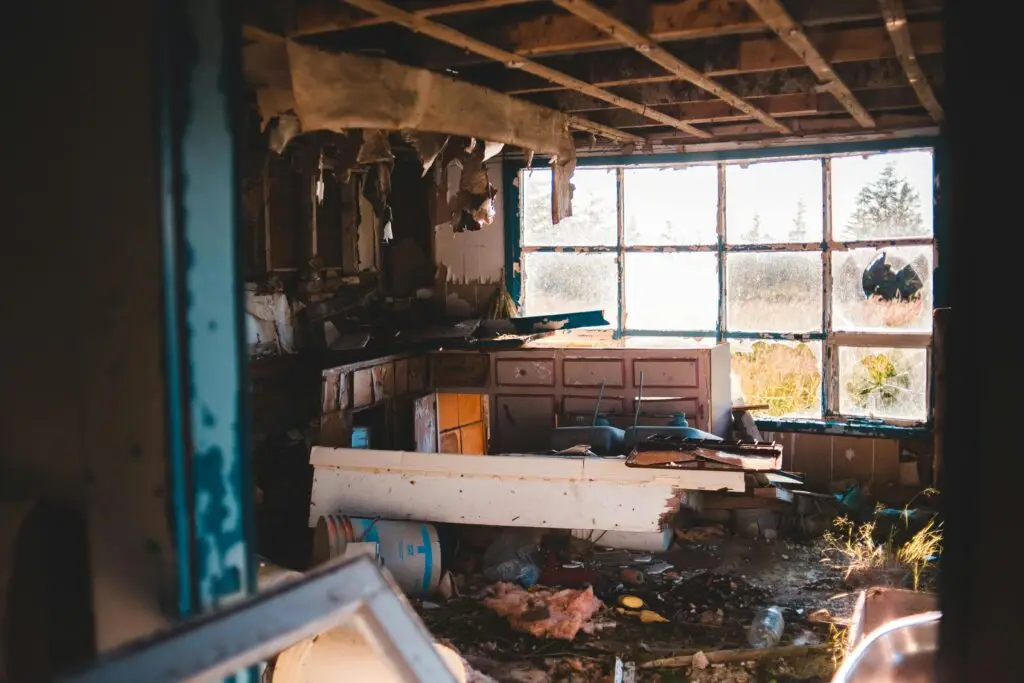
If your home has recently been damaged by fire, water, or another disaster, you’re likely overwhelmed with dealing with insurance adjusters, contractors, and the emotional toll of losing your belongings. One term you’ve probably heard from your insurance carrier is “contents insurance”, as in, “Your contents are covered under your home insurance” or “You’ll need a contents packout company.”

But what exactly does “contents insurance” mean? And how does it affect your claim, your recovery, and your peace of mind?
At Content Recovery Specialists, we work with homeowners every day who are navigating this exact situation. As a professional contents packout and restoration company, we specialize in helping you recover, clean, store, and document your personal belongings, also known as your contents, after a disaster.
In this blog, we’ll break down everything you need to know about contents coverage in insurance policies, including:
- What qualifies as “contents” in your home
- What your insurance policy typically does and doesn’t cover
- The difference between Actual Cash Value (ACV) and Replacement Cost Value (RCV)
- Why creating a detailed inventory of your contents is one of the smartest things you can do
- How a contents packout company like ours can make the process easier
- And answers to the most common questions we hear from homeowners just like you
Table of Contents
What is Contents Insurance?
When your home is damaged by fire, water, or another disaster, your insurance policy typically breaks coverage into two main parts: structure and contents. While structure coverage protects the physical building—like walls, floors, and the roof—contents coverage protects everything inside your home that isn’t permanently attached.
In simple terms, contents insurance refers to your personal property—the items you own that make your house a home.
Think of It This Way:
If you could pick up your house, turn it upside down, and shake it, everything that falls out would be considered “contents“.
Examples of Contents:
- Furniture: Sofas, beds, dressers, dining tables, chairs
- Electronics: TVs, computers, tablets, gaming systems
- Kitchenware and Appliances: Microwaves, toasters, coffee makers (not built-in), Dishes, pots, pans, utensils
- Clothing & Accessories: Everyday wear, shoes, coats, handbags
- Documents: Medical records, passports and identification documents, birth and death certificates
- Photo and Artwork: Framed art, portraits, prints, drawings
- Decor: Lamps, rugs, mirrors
- Toys & Hobby Items: Books, board games, musical instruments
- Outdoor Items: Lawn equipment, bicycles, patio furniture
These items are typically covered under the personal property (Coverage C) section of your homeowners or renters insurance policy.
FAQ
What’s the difference between contents and structure coverage?
Structure coverage protects the physical building (walls, roof, floors), while contents coverage protects your personal belongings inside the home.
Do I need to hire a packout company?
If your home is uninhabitable or your belongings are damaged, your insurance adjuster may recommend a professional packout company to safely remove, clean, and store your items.
How long does the packout process take?
It depends on the size of your home and the extent of the damage. Most packouts take a few days up to a few weeks, with restoration and storage timelines varying.
Will my insurance cover the cost of packout services?
In most cases, yes—if the damage is from a covered peril. We work directly with your insurance to confirm coverage and minimize out-of-pocket costs.
What happens to items that can’t be saved?
We document all unsalvageable items with photos and descriptions for your insurance claim, then label them as “total loss” and dispose of them responsibly.
What Does Contents Insurance Cover?
Most standard contents insurance policies cover your contents against a list of specific risks, often referred to as “named perils.” These typically include:
Fire and Smoke Damage
- What it covers: Damage from flames, heat, and smoke.
- Common contents damage:
- Burned or melted furniture, electronics, and clothing
- Smoke odor and soot residue on fabrics, upholstery, and decor
- Warped or cracked plastics and wood
Water Damage
- What it covers: Sudden and accidental water discharge from plumbing, HVAC, or appliances.
- Common contents damage:
- Soaked mattresses, rugs, and upholstered furniture
- Swollen wood furniture or cabinetry
- Mold or mildew on fabrics and paper goods
- Important note: This does not include floodwater from outside—flood insurance is separate.
Storm Damage
- What it covers: Damage from high winds, hailstorms, or lightning strikes.
- Common contents damage:
- Broken windows allowing rain to damage interior items
- Electronics fried by lightning-induced power surges
- Water-damaged contents from roof leaks or structural breaches
Falling Objects
- What it covers: Damage from objects like tree limbs, construction debris, or satellite dishes falling onto your home.
- Common contents damage:
- Crushed furniture or electronics beneath collapsed ceilings
- Broken glassware, décor, or lighting fixtures
- Water damage from roof punctures
Explosion
- What it covers: Sudden explosions from gas leaks, appliances, or nearby incidents.
- Common contents damage:
- Shattered windows and broken glass
- Burned or scorched items
- Structural collapse damaging interior belongings
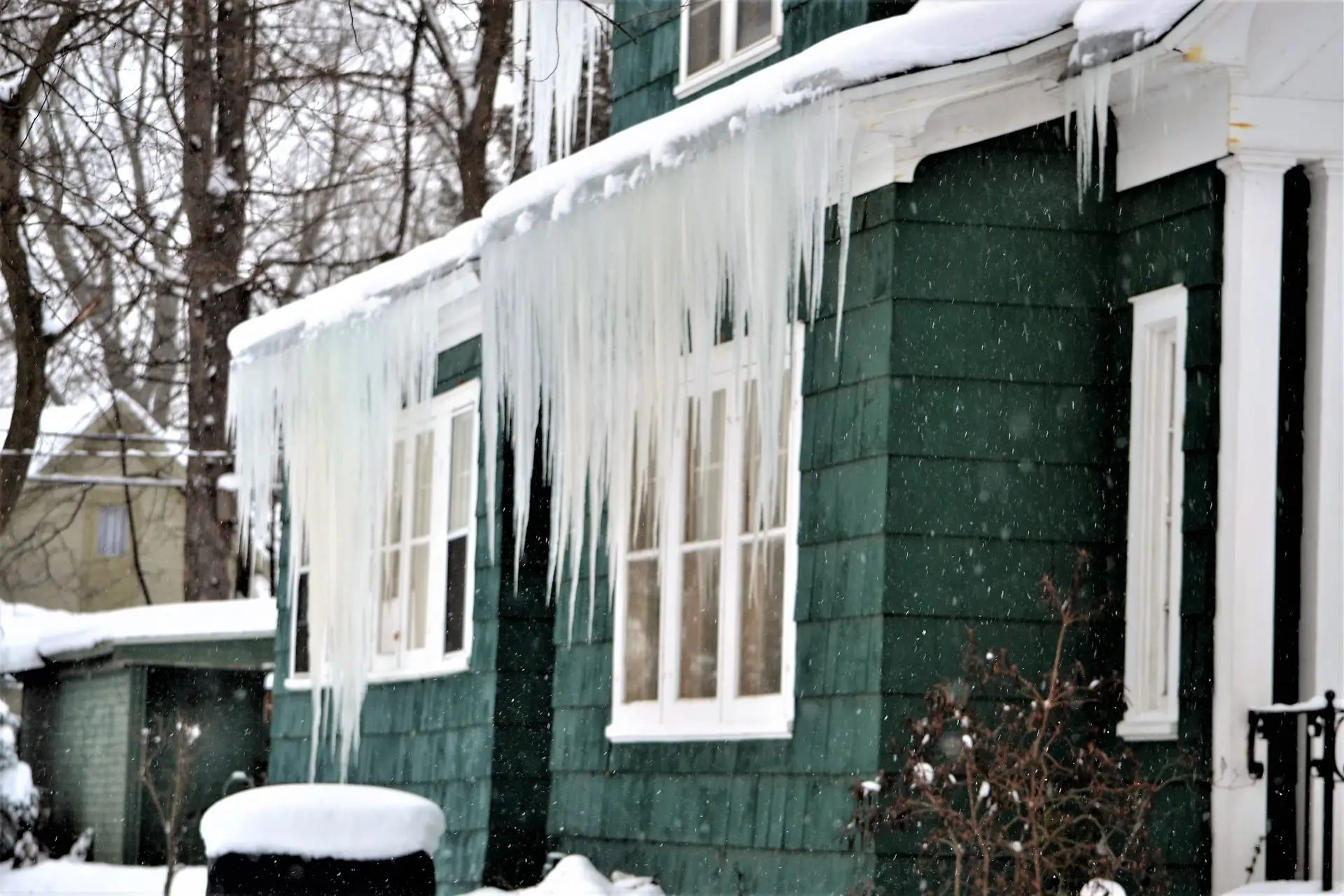
Weight of Snow or Ice
- What it covers: Damage from heavy snow or ice buildup causing structural failure.
- Common contents damage:
- Collapsed ceilings damaging furniture and electronics
- Water damage from melting snow
- Crushed storage items in attics or garages
Sudden Electrical Surges
- What it covers: Power surges that damage plugged-in electronics or appliances.
- Common contents damage:
- Fried TVs, computers, gaming systems, and kitchen appliances
- Loss of data or functionality in smart home devices
- Burn marks or melted cords
What Contents Insurance Coverage Does Not Include
While contents coverage is broad, it’s not unlimited. Here are some common exclusions:
- Flood damage: This is not covered under standard homeowners insurance. You’ll need a separate flood insurance policy for that.
- Earthquake damage: Also requires a separate rider or policy.
- Wear and tear: Insurance won’t cover items that break down over time due to age or use.
- Pest damage: Losses caused by rodents, insects are usually excluded.
- Business property: Items used for business purposes may not be covered unless specifically listed.
- High-value items: Jewelry, art, collectibles, and firearms may have coverage limits unless you’ve added a scheduled personal property endorsement.
ACV vs. RCV: What’s the Difference?

When it comes to replacing your damaged contents, your insurance policy will pay out based on one of two methods:
ACV (Actual Cash Value)
- Pays what the item is worth today, factoring in depreciation.
- Example: Your 5-year-old TV originally cost $1,000, but with depreciation, it may only be worth $300.
RCV (Replacement Cost Value)
- Pays what it would cost to replace the item with a new one of similar kind and quality.
- Using the same example, you’d receive the full $1,000 to replace your TV.
Tip: RCV policies offer better protection, but may come with higher premiums.
Why You Should Create a Contents Inventory
After a disaster, trying to remember everything you owned can be overwhelming. That’s why we recommend creating a contents inventory—a detailed list of your belongings, including:
- Item name and description
- Purchase date and price
- Photos or videos
- Receipts or serial numbers (if available)
At Content Recovery Specialists, we help homeowners document and pack out their contents for cleaning, storage, or disposal. This not only helps with your insurance claim but also gives you peace of mind during a stressful time.
How Content Recovery Specialists Can Help
When your insurance adjuster tells you to find a contents packout company, that’s where we come in. Our team at Content Recovery Specialists specializes in:
- On-site inventory and documentation
- Careful packing and transport of salvageable items
- Cleaning and restoration of smoke, soot, or water-damaged contents
- Secure storage until your home is ready
- Disposal of unsalvageable items with documentation for your claim
We work directly with your insurance company and insurance adjuster to ensure a smooth and stress-free process.
Next Steps: How to Start a Contents Insurance Claim
After a property disaster, the process of recovery can feel overwhelming. Your contents insurance claim is a critical piece of the puzzle. By following these steps immediately, you can ensure a smoother, more successful claims process.
Step 1: Secure Your Property and Document the Damage
Your safety is the priority. Once it is safe to re-enter your property, focus on documentation:
- Prevent Further Damage: Take reasonable steps to prevent further loss (e.g., covering a broken window, turning off a leaking water source). Your policy requires this.
- Photo and Video: Use your phone to take detailed photos and videos of all damaged contents before you touch them. Focus on the extent of the loss.
- Do Not Discard: Keep damaged items, even if they seem worthless, until your adjuster has authorized their disposal.
Step 2: Notify Your Insurance Company (File the Claim)
Call your agent or the carrier’s claims hotline as soon as possible. Be ready to provide:
- Your policy number and contact information.
- The date and cause of the loss (e.g., “Fire started in the kitchen on December 15th”).
- A preliminary description of the damage to your contents.
Step 3: Start Your Contents Inventory
This is the most time-consuming step and where most homeowners struggle. Your insurer will require a Proof of Loss form, which includes a detailed inventory of every single item of damaged or destroyed personal property.
- Itemize: For every item, list the description, brand, age, purchase price, and an estimated replacement cost.
- Consult Your Policy: Determine if you have Actual Cash Value (ACV) or Replacement Cost Value (RCV) coverage, as this dictates how you will be reimbursed.
CRS Expert Tip: Creating a manual inventory after a disaster is incredibly stressful and often leads to missed items. Our Content Recovery Specialists provide a professional, digital inventory using specialized software. We document every item with photos and descriptions, creating an accurate, verifiable list that streamlines your contents insurance claim approval.
Step 4: Work with a Professional Packout and Restoration Partner
If your home requires significant structural repairs, you will need to temporarily remove the restorable contents. This process is called a “packout.”
Insurance Coverage: In most cases, the cost of a professional packout, cleaning, and storage is covered by your contents insurance policy as part of your total claim.
Restorability: Your adjuster will determine which contents can be restored (cleaned and salvaged) and which are total losses.
The Packout: A professional company like CRS will carefully pack, transport, clean, restore, and store your salvageable contents in a secure, climate-controlled facility until your home repairs are complete.