In the world of property restoration, structural damage often takes center stage. But when disaster strikes, whether it’s fire, water, mold, or storm, the contents inside the property are just as vulnerable. Furniture, electronics, clothing, artwork, and personal items can suffer extensive damage, and handling them properly is critical to the success of the overall claim.
That’s where packout companies come in.
If you’re a restoration contractor and your client’s adjuster has recommended a “packout,” or you’re exploring ways to expand your service offerings, this guide will break down what packout companies do, how they fit into the insurance ecosystem, and why partnering with a contents-focused specialist can elevate your restoration business.
Table of Contents
What Is a Packout Company?
A packout company specializes in the inventory, packout, cleaning, storage, and packback of belongings (aka “contents”) from a property that has suffered damage due to a disaster. The term “packout” refers to the process of packing up and moving these items off-site for safekeeping and restoration.

Packout companies don’t just move contents; they:
- Carefully document and inventory every item
- Assess damage and determine what can be restored vs. total loss
- Clean and deodorize salvageable items
- Store your belongings in a secure facility until your home is repaired
- Return everything once your property is ready
These companies are often called in after events like:
- Fire and smoke damage
- Water or flood damage
- Mold contamination
- Storm or structural damage
For restoration contractors, packout companies serve as a critical partner in managing the contents portion of a claim, allowing you to focus on structural remediation while ensuring the property owners belongings are handled professionally and efficiently.
Understanding Insurance: The Three Pockets of a Policy
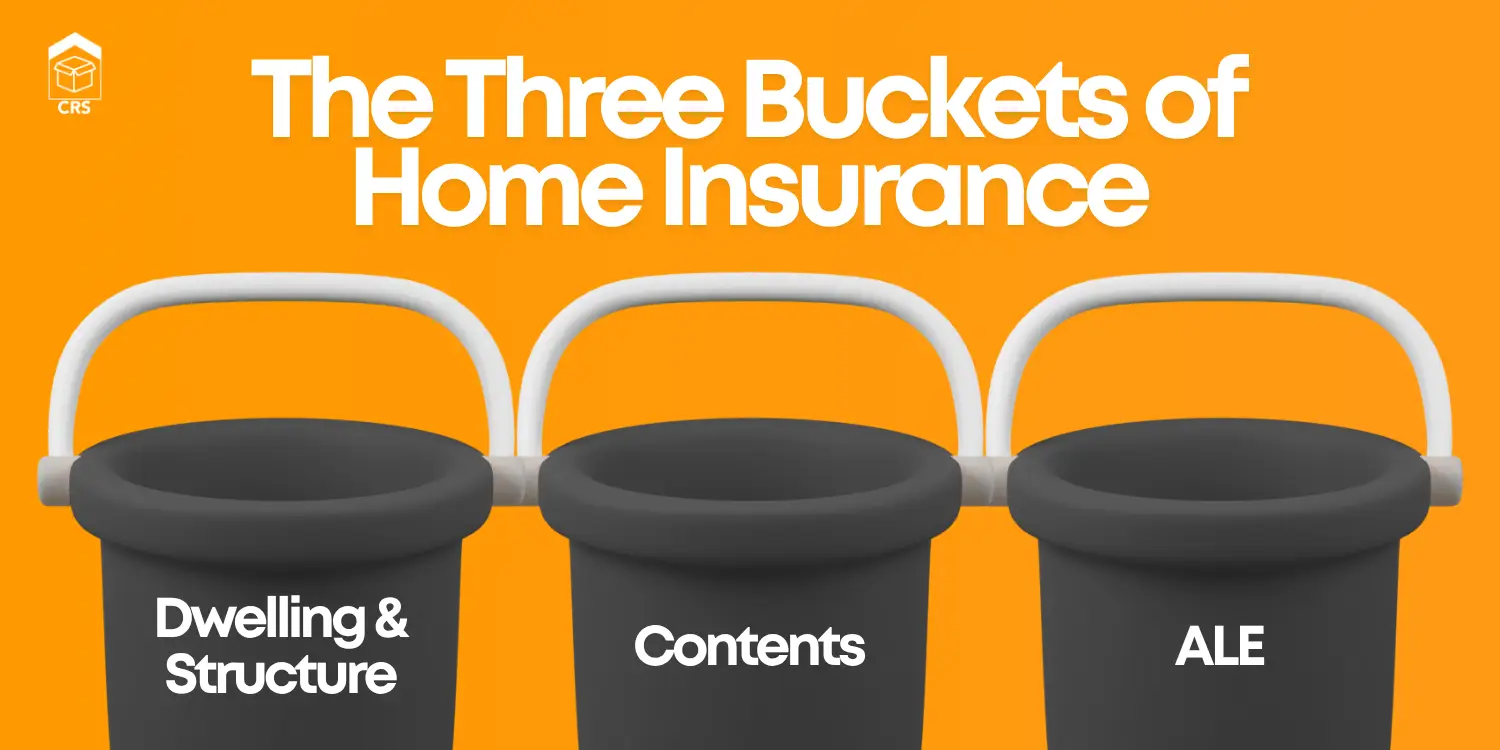
To understand the role of a packout company in the insurance process, it’s helpful to break down the typical structure of a property insurance policy. Most policies are divided into three main “pockets”:
| Description | Examples | |
|---|---|---|
| Dwelling | Covers the physical structure of your home | Walls, roof, flooring, built-in appliances |
| Contents | Covers personal belongings inside the home | Furniture, clothing, electronics, decor |
| Additional Living Expenses (ALE) | Covers costs of living elsewhere during repairs | Hotel stays, meals, temporary rentals |
Packout services fall under the contents pocket. This means that the costs associated with inventorying, cleaning, storing, and restoring personal belongings are typically covered by the contents portion of the policy (assuming the homeowner has adequate coverage).
For contractors, understanding this distinction is key. You may be handling the dwelling portion of the claim, but without a contents partner, your client’s claim is incomplete—and their satisfaction may suffer.
The Packout Process: How It Aligns with Restoration Workflows
Understanding the packout process isn’t just about knowing what happens—it’s about knowing when it happens and how it supports your restoration efforts. A well-coordinated packout can streamline your job, reduce liability, and improve client satisfaction.
Here’s a detailed look at each phase of the packout process and how it fits into the broader restoration timeline:
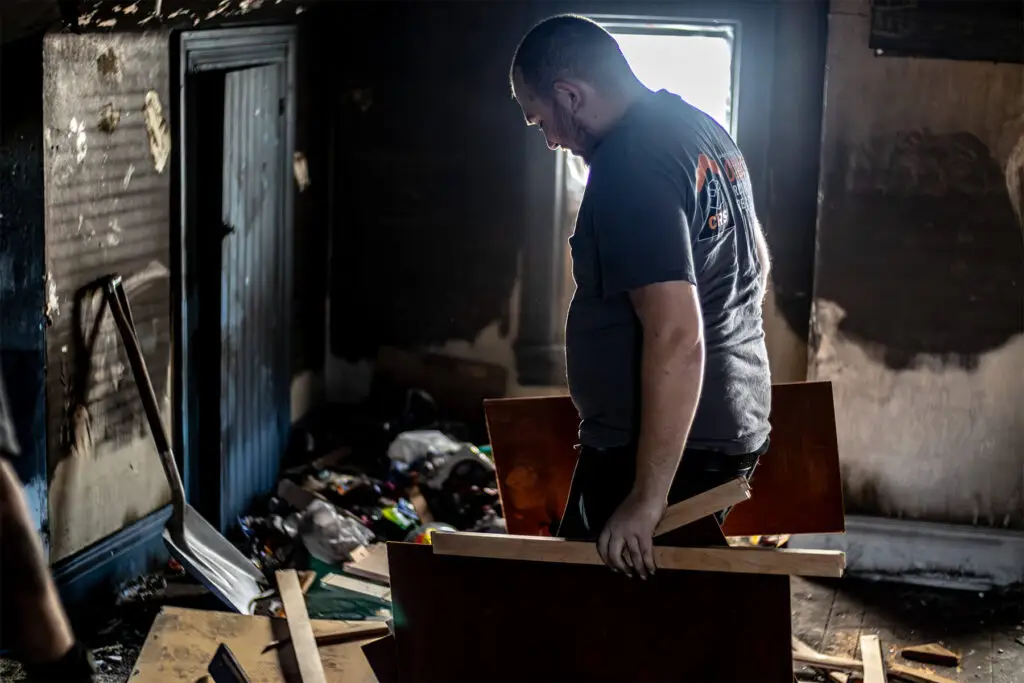
1. Initial Assessment
When it happens: Immediately after the loss, often during the first site visit with the homeowner and adjuster.
What the packout company does:
- Conducts a walkthrough of the property to assess contents damage.
- Identifies items that are salvageable, contaminated, or at risk of secondary damage.
- Begins preliminary documentation and discusses scope with the homeowner and adjuster.
How it supports restoration contractors:
- Provides clarity on what needs to be removed before your team begins demolition or drying.
- Helps establish the full scope of the claim early.
- Identifies contents that may obstruct remediation work.
2. Inventory and Packing
When it happens: Before or concurrently with your initial mitigation work.
What the packout company does:
- Creates a detailed inventory of all contents, including photos, item descriptions, and condition notes.
- Packs items using protective materials and labels for tracking.
- Prioritizes fragile, high-value, or contaminated items for special handling.
How it supports restoration contractors:
- Provides documentation that supports the contents portion of the insurance claim.
- Clears the space for your team to begin work safely and efficiently.
- Reduces risk of damage to contents during demolition or drying.
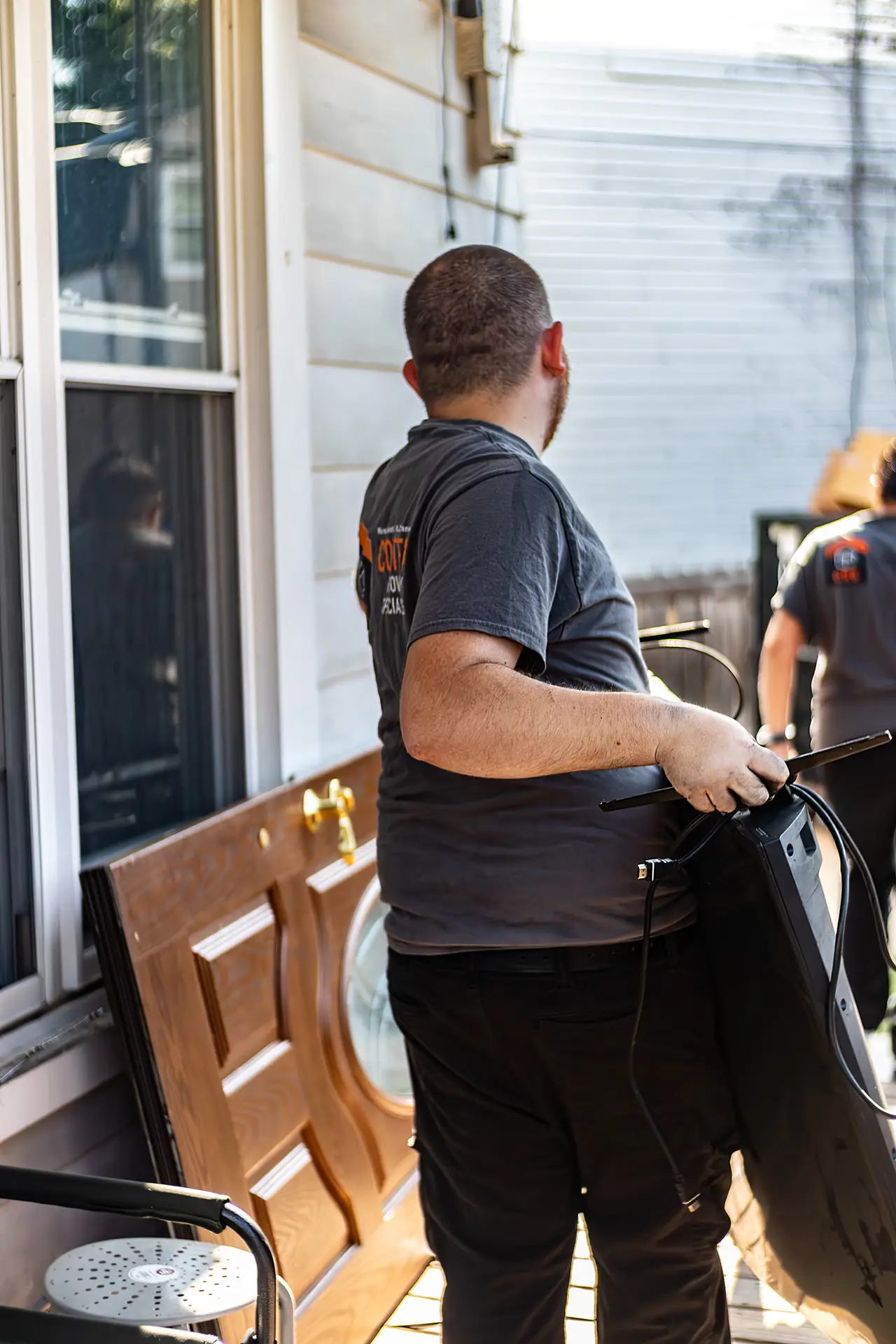
3. Transport and Storage
When it happens: Immediately after packing is complete.
What the packout company does:
- Transports contents to a secure, climate-controlled facility.
- Organizes items by job number and category for easy retrieval.
- Begins prepping items for cleaning and restoration.
How it supports restoration contractors:
- Allows your team to focus solely on structure without worrying about personal property.
- Eliminates clutter and potential hazards from the job site.
- Ensures contents are protected from further damage during your remediation process.
4. Cleaning and Restoration
When it happens: While your team is performing structural drying, mold remediation, or fire damage cleanup.
What the packout company does:
- Uses specialized equipment to clean and restore items:
- Ozone treatment for smoke odor
- Ultrasonic cleaning for delicate items
- Freeze-drying for water-damaged documents
- HEPA vacuuming and antimicrobial treatments for mold
- Evaluates items for restoration vs. replacement.
How it supports restoration contractors:
- Keeps the contents portion of the claim moving forward while you work on the structure.
- Reduces delays in claim processing by restoring items in parallel with your remediation.
- Provides adjusters with timely updates on contents status, helping close claims faster.
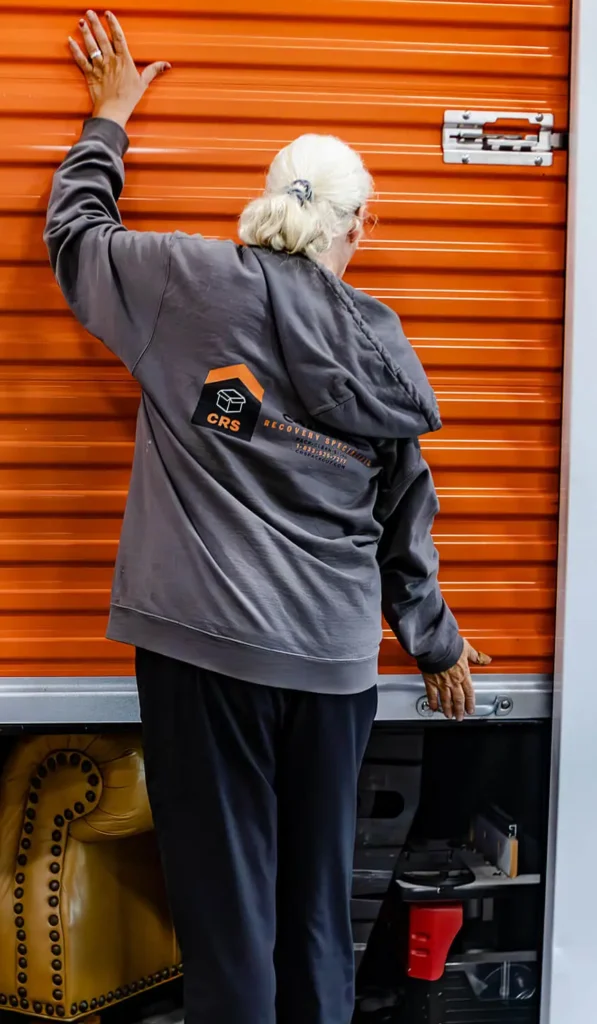
5. Storage
When it happens: After cleaning, until the property is ready for reinstallation.
What the packout company does:
- Stores cleaned and restored items in a secure, climate-controlled facility.
- Maintains organized records for easy access and retrieval.
- Coordinates with you or the homeowner for timing of return.
How it supports restoration contractors:
- Prevents recontamination or damage to restored items while repairs are ongoing.
- Gives you flexibility in scheduling reconstruction without pressure to rush.
- Keeps the homeowner’s belongings safe and accounted for during the rebuild.
6. Return and Reinstallation
When it happens: After your team completes structural repairs and the property is deemed habitable.
What the packout company does:
- Returns contents to the property.
- Reinstalls furniture, decor, and other items as needed.
- Performs final walkthrough with the homeowner to ensure satisfaction.
How it supports restoration contractors:
- Enhances your reputation by delivering a full-circle recovery process.
- Completes the restoration experience for the homeowner.
- Reduces post-project complaints or confusion about missing items.
Why Restoration Contractors Should Partner with Packout Companies
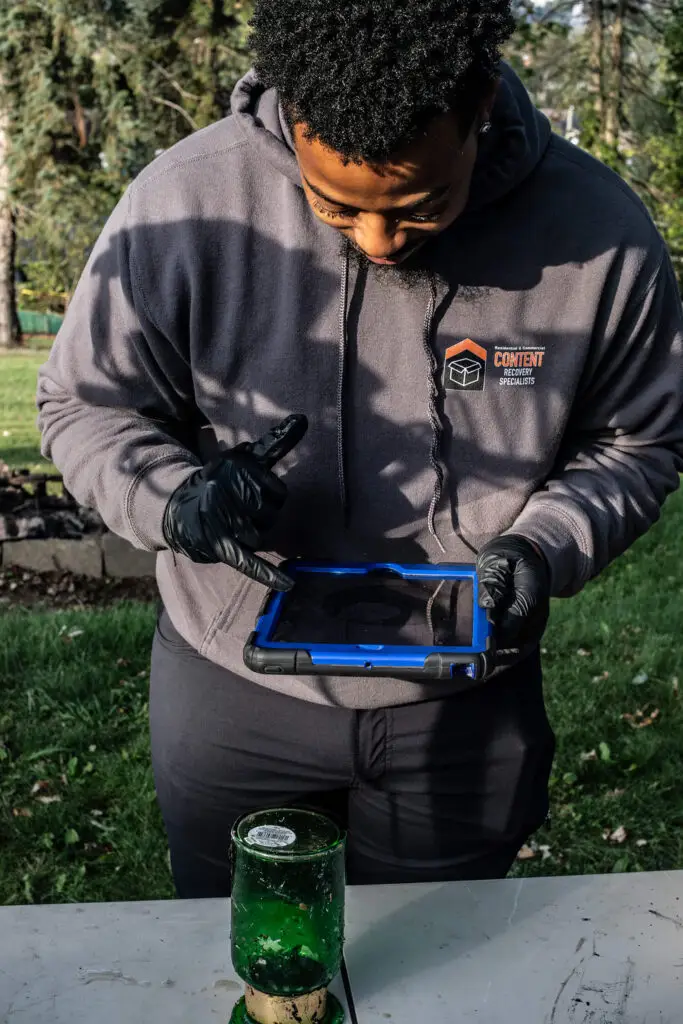
If you’re not currently working with a packout company, you may be missing out on opportunities to:
Expand Your Service Offering
By partnering with a contents specialist, you can offer a more comprehensive solution to clients, increasing your value and competitiveness.
Improve Job Efficiency
Packout teams remove contents quickly and safely, allowing your crew to begin remediation without delays or obstructions.
Enhance Customer Satisfaction
Homeowners are often emotionally attached to their belongings. A professional contents partner can help preserve sentimental items and reduce stress—leading to better reviews and referrals.
Strengthen Insurance Relationships
Adjusters appreciate working with contractors who understand the full scope of a claim. Referring or coordinating with a packout company shows professionalism and claim fluency.
How Content Recovery Specialists Can Help
Not all packout companies are created equal. Content Recovery Specialists focus not just on moving and storing items, but on restoring what matters most. Here’s what sets them apart:
White-Glove Service: Their teams treat every item with care, from packing to reinstallation, ensuring a seamless experience for the homeowner.
Advanced Restoration Capabilities: From electronics to textiles, they use cutting-edge techniques to salvage items others might discard.
Insurance-Ready Documentation: Their inventory systems are designed to streamline claims and reduce disputes.
Expert Evaluation: They help determine what’s worth restoring vs. replacing, saving time and money for both contractors and policyholders.
For restoration contractors, partnering with a company like Content Recovery Specialists means you can confidently hand off the contents portion of the claim, knowing it’s in expert hands.
Final Thoughts: Contents Matter More Than You Think
In the restoration industry, it’s easy to focus on drywall, flooring, and HVAC systems—but contents are often the most personal and emotionally charged part of a claim. Homeowners may forget what was lost, but they’ll remember how their belongings were treated.
By understanding the role of packout companies and integrating them into your workflow, you can deliver a more complete, efficient, and compassionate restoration experience. Whether you’re looking to build a referral relationship or expand your service offerings, partnering with a contents specialist is a smart move for any contractor serious about growth and client satisfaction.
If you have any questions regarding contents or are looking to parnter with a contents partner like Content Recovery Specialists, we’re here to help! Simply reach out to us and one of our experts will get back to you to answer your questions.